

If you’ve searched for a first aid or CPR course in Australia, you’ve probably run into a wall of confusing course codes: HLTAID011, HLTAID009, HLTAID012, and more. Two of the most commonly confused are HLTAID011 and HLTAID009. Both are nationally recognised units of competency, both involve life-saving skills, and both are frequently required by employers. But they are not the same course, they don’t cover the same content, and choosing the wrong one can mean redoing your training or falling short of your workplace’s compliance requirements. This guide breaks down exactly what each course covers, who needs which one, and how to make sure you book the right training the first time.
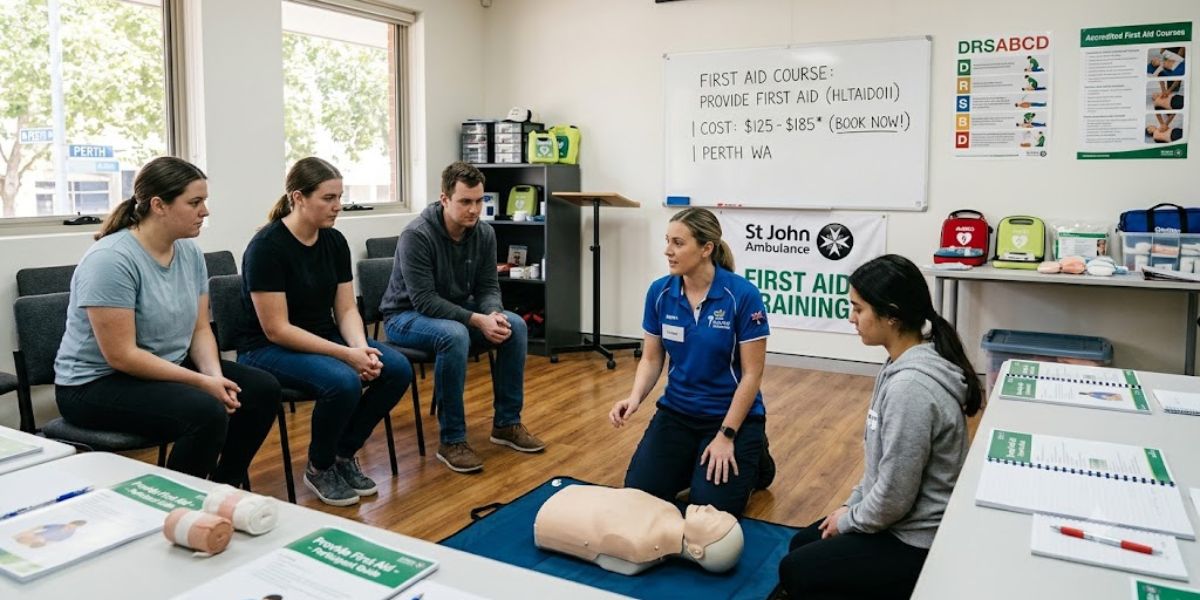
HLTAID011 Provide First Aid is Australia’s standard, comprehensive workplace first aid qualification. It is the course most employers, workplace health and safety officers, and industry regulators are referring to when they simply say “get your first aid certificate.” Under the Safe Work Australia First Aid in the Workplace Code of Practice, most Australian workplaces are required to have a certain number of trained first aiders on-site, and HLTAID011 is the qualification that satisfies this requirement in the vast majority of settings.
HLTAID011 covers the full DRSABCD emergency action plan and prepares participants to respond to a wide range of real-world emergencies, not just cardiac events. Typical course content includes:
Because it includes all of the CPR content found in HLTAID009, completing HLTAID011 means you do not need to complete HLTAID009 separately, the CPR skills are already built in.
HLTAID009 Provide Cardiopulmonary Resuscitation is a narrower, CPR-only qualification. It does not cover bandaging, fractures, burns, or general first aid response, it focuses entirely on recognising cardiac arrest and performing effective resuscitation until emergency services arrive. Core content includes:
HLTAID009 is commonly used as an annual CPR refresher for people who already hold a broader first aid qualification, such as HLTAID011 or HLTAID012, and simply need to keep their CPR competency current between full re-certifications.
Scope of Training: HLTAID011 covers full first aid response including CPR, choking, bleeding, burns, fractures, and medical emergencies. HLTAID009 covers CPR and AED use only.
Typical Duration: HLTAID011 usually takes around 4 to 7 hours to complete, depending on the provider and delivery mode, while HLTAID009 is a shorter session, often around 2 to 3 hours.
Certificate Validity: HLTAID011 is generally valid for 3 years before a full re-certification is required. HLTAID009 typically needs to be renewed annually, in line with Australian Resuscitation Council (ARC) guidelines for CPR currency.
Workplace Compliance: HLTAID011 is the qualification most workplaces require to meet Safe Work Australia’s first aid obligations. HLTAID009 alone is generally not sufficient to meet a workplace’s designated first aider requirement, since it doesn’t cover the broader range of incidents a first aider may need to manage.
Cost: Because HLTAID009 is shorter and narrower in scope, it is usually less expensive than HLTAID011, though pricing varies by registered training organisation (RTO) and location.
Who Typically Needs It: HLTAID011 suits general workplace staff, job seekers, and anyone needing a standard first aid qualification. HLTAID009 suits people who already hold a full first aid certificate and need a quick annual CPR refresher, as well as professionals with an annual CPR renewal requirement tied to their registration.
For most people, the answer is HLTAID011. If your employer has simply said “get your first aid certificate,” or if you’re a job seeker applying for roles in aged care, disability support, construction, hospitality, or community services, HLTAID011 is almost always the qualification being requested. It provides broad, practical coverage that satisfies most workplace and industry requirements in one course.
HLTAID009 makes sense in more specific situations: when you already hold HLTAID011 (or HLTAID012 for those in childcare and education settings) and simply need to refresh your CPR skills annually, or when your professional registration, such as for nurses, midwives, physiotherapists, or other AHPRA-registered practitioners, specifically requires a yearly CPR renewal rather than a full first aid re-certification.
If you’re unsure which course your employer, licensing body, or course of study requires, it’s always worth checking directly before booking, since enrolling in the wrong course can delay your start date or mean your certificate isn’t accepted.
If you work in a regulated education and care setting, such as childcare, out-of-school-hours care (OSHC), or kindergarten, neither HLTAID011 nor HLTAID009 alone may be the right fit. HLTAID012 Provide First Aid in an Education and Care Setting is specifically designed for people working with infants and children, and is generally the qualification required by ACECQA-regulated centres. HLTAID009 is still commonly used in these settings, but typically only as an annual CPR refresher for staff who already hold HLTAID012.
If you completed first aid training some years ago, you might remember different codes, such as HLTAID001 or HLTAID003. These earlier codes were updated as part of a broader review of national training packages, which refreshed course content and assessment requirements to reflect current first aid and resuscitation guidelines. The core purpose of the training hasn’t changed, but the codes, and some course content, have been updated to keep pace with evolving best practice from bodies like the Australian Resuscitation Council.
Choosing between HLTAID011 and HLTAID009 comes down to one simple question: do you need broad first aid skills, or just CPR? If you want the confidence and compliance coverage of being able to respond to a wide range of workplace emergencies, HLTAID011 is the right investment, and it already includes everything taught in HLTAID009. If you already hold a full first aid certificate and simply need to keep your CPR skills current for the year, HLTAID009 is a fast, affordable way to stay compliant. When in doubt, check with your employer, industry regulator, or training provider before booking to make sure your certificate will actually be accepted.
No. HLTAID011 already includes all of the CPR content covered in HLTAID009, so completing HLTAID011 means you don’t need to complete HLTAID009 separately.
HLTAID011 is typically valid for 3 years before a full re-certification is required. HLTAID009 generally needs to be renewed every 12 months, in line with Australian Resuscitation Council guidelines for CPR currency.
In most cases, employers referring to a general “first aid certificate” mean HLTAID011, since it is the standard qualification recognised under Safe Work Australia’s Code of Practice for most workplaces.
Generally, no. Most workplaces require a first aider to hold a broader qualification like HLTAID011, since HLTAID009 only covers CPR and doesn’t include skills for managing bleeding, fractures, burns, or other common workplace incidents.
HLTAID011 typically takes around 4 to 7 hours depending on the provider and delivery format, while HLTAID009 is shorter, usually taking around 2 to 3 hours.
Yes. Many people who hold HLTAID011 use HLTAID009 as an annual CPR refresher between their 3-yearly HLTAID011 re-certifications, since it keeps CPR skills current without needing to repeat the full first aid course each year.
Yes. Many AHPRA-registered professionals, including nurses, midwives, physiotherapists, and pharmacists, are required to complete annual CPR renewal (HLTAID009) as a condition of their professional registration, in addition to any broader first aid training their employer may require.
HLTAID011 is the general workplace first aid qualification, while HLTAID012 is specifically designed for people working in regulated education and care settings, such as childcare centres and kindergartens, and is typically required by ACECQA-regulated employers.