

A Work Health and Safety (WHS) Officer plays an important role in making sure that workplaces stay safe and free from any unwanted danger. As businesses from every industry go through rising legal and ethical issues to protect their employees, the demand for skilled WHS experts constantly keeps on growing. Yet a lot of people outside the field and sometimes a few just entering it are not sure exactly what a WHS Officer has to do on a regular basis and how the role is different from related positions alongside what career progression looks like.
This article will break down the key responsibilities of a WHS Officer and the skills and qualifications usually needed along with the career paths available to those going after this profession.
A WHS Officer, sometimes called a Health and Safety Officer or Safety Officer, is responsible for helping an organization identify, assess, and control risks to the health and safety of its workers, contractors, and visitors. The role exists to ensure compliance with occupational health and safety legislation while fostering a genuine safety culture within the workplace. WHS Officers typically work across industries with elevated physical risk, such as construction, manufacturing, mining, healthcare, and logistics, though the role exists in virtually every sector.
One of the most fundamental duties of a WHS Officer is identifying potential hazards in the workplace before they cause harm. This involves conducting regular site inspections, reviewing work processes, and assessing equipment, materials, and environmental conditions for risks.
WHS Officers are usually responsible for drafting, updating, and rolling out workplace safety policies and procedures. This includes creating standard operating procedures for hazardous tasks and ensuring these documents remain aligned with current legislation.
When a workplace incident, injury, or near-miss occurs, the WHS Officer typically leads or supports the investigation, determines root causes, and recommends corrective actions to prevent recurrence. They are also usually responsible for maintaining accurate incident records and reporting serious incidents to relevant regulatory bodies as required by law.
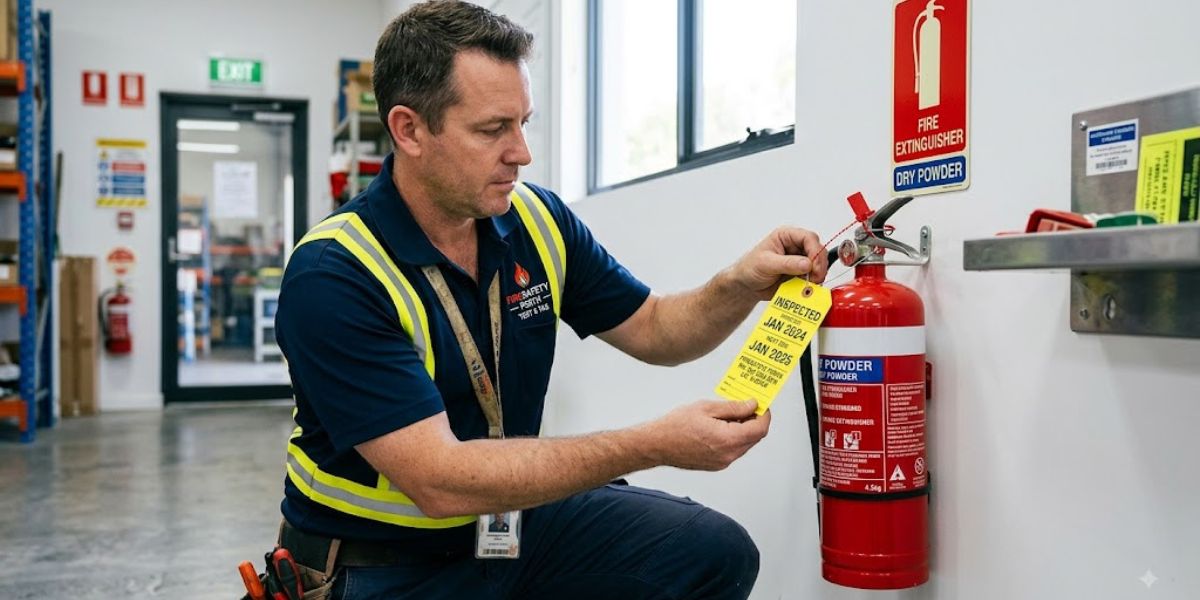
WHS Officers regularly audit workplace practices against legislative requirements and internal policies, identifying gaps and working with management to close them. This may include reviewing safety data sheets, checking machinery maintenance logs, or verifying that safety signage and emergency equipment meet required standards.
WHS Officers often serve as the primary point of contact between the organization and workplace safety regulators, particularly during inspections, audits, or investigations following a serious incident. They may also liaise with insurers, workers’ compensation bodies, and safety committees.
Beyond compliance, effective WHS Officers work to build a genuine culture of safety, where employees feel empowered to report hazards, near-misses, and concerns without fear of blame. This cultural aspect of the role is increasingly recognized as just as important as technical compliance work.
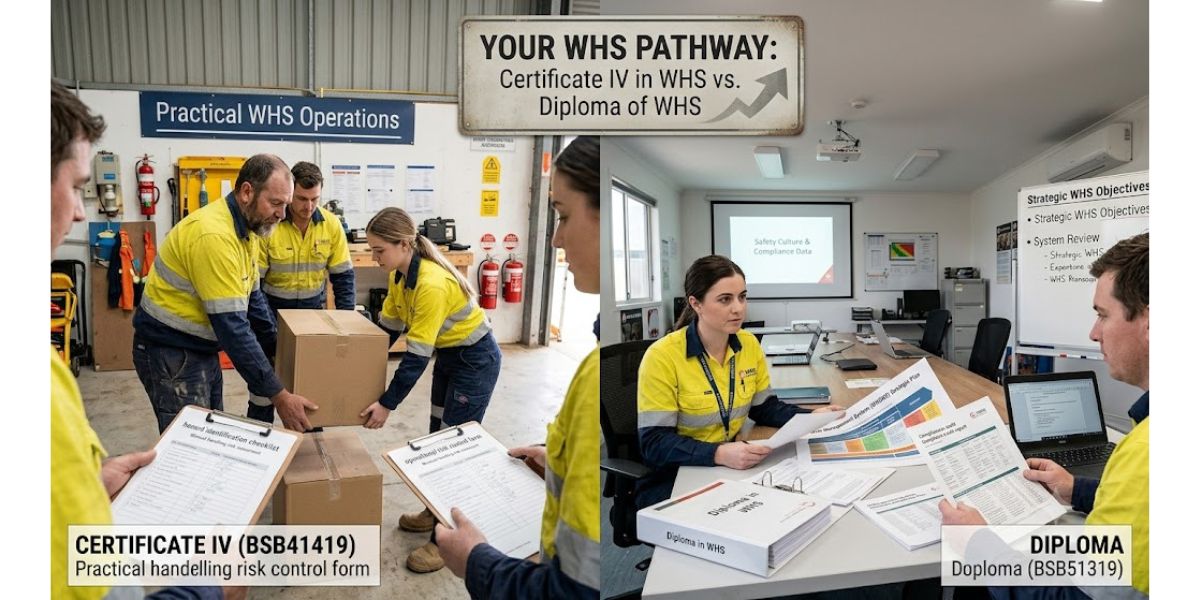
Entry requirements for WHS Officer roles vary by country and industry, but common pathways include a Certificate IV or Diploma in Work Health and Safety, a related qualification such as a degree in occupational health, safety, or environmental science, and, in some higher-risk industries, additional certifications such as first aid, confined space entry, or working at heights. Many employers also value hands-on industry experience, particularly in sectors like construction or manufacturing, alongside formal qualifications.
The WHS Officer role is sometimes confused with related positions. A WHS Advisor or Consultant often provides higher-level strategic guidance rather than day-to-day operational tasks. A WHS Manager or Health and Safety Manager typically oversees an entire safety function, including budgets and staff, whereas a WHS Officer more often executes the operational and administrative aspects of the safety program. In smaller organizations, one person may perform all of these functions, while larger organizations may have a full safety team with clearly divided responsibilities.
Most WHS professionals begin their careers in entry-level roles such as WHS Coordinator or Safety Officer, often within a specific site or department. With experience and further qualifications, professionals can progress to WHS Advisor or Consultant roles, taking on more strategic responsibilities across multiple sites or business units. From there, many move into WHS Manager or Head of Safety positions, overseeing entire safety functions and reporting directly to senior leadership. At the most senior level, experienced professionals may become Health, Safety, and Environment (HSE) Directors or pursue specialized consulting careers, advising multiple organizations on safety strategy and compliance.
Some WHS professionals also choose to specialize in particular industries, such as construction, mining, or healthcare, or in particular risk areas, such as chemical safety, ergonomics, or psychosocial risk management, which has become an increasingly prominent area of focus in recent years.
As workplace safety regulations continue to tighten globally and organizations face growing scrutiny over psychosocial hazards, mental health, and duty-of-care obligations, demand for qualified WHS professionals continues to grow. Industries with historically high injury rates, such as construction, manufacturing, and logistics, remain the largest employers of WHS Officers, but demand is also expanding in sectors like healthcare, retail, and even office-based industries as awareness of workplace wellbeing grows.
A WHS Officer’s role extends far beyond simply enforcing rules; it involves proactively identifying risks, educating employees, investigating incidents, and helping build a genuine culture of safety within an organization. For those interested in a career that combines technical knowledge, people skills, and a meaningful impact on employee wellbeing, WHS offers a clear and rewarding career path, with strong demand and multiple avenues for progression into more senior and specialized roles over time.
A WHS Officer generally handles day-to-day operational tasks such as inspections, training, and incident reporting, while a WHS Manager typically oversees the broader safety strategy, budget, and team, often reporting directly to senior leadership.
In most cases, yes. A Certificate IV or Diploma in Work Health and Safety, or a related qualification, is commonly required, though relevant industry experience is also highly valued by employers.
Construction, manufacturing, mining, and logistics traditionally employ the largest numbers of WHS Officers due to higher physical risk levels, though demand is growing across healthcare, retail, and office-based industries as well.
A typical day might include conducting site inspections, delivering safety training or inductions, reviewing incident reports, updating safety documentation, and liaising with staff or management about identified hazards.
Increasingly, yes. Many jurisdictions now require organizations to actively manage psychosocial hazards such as workplace stress, bullying, and fatigue, making this an important and growing part of the modern WHS role.
Liability generally depends on local legislation and the specific circumstances of an incident. WHS Officers are expected to act diligently within their role, but overall legal responsibility for workplace safety usually rests primarily with the organization and its officers under duty-of-care obligations.
Common progression paths include moving into WHS Advisor or Consultant roles, then into WHS Manager or Head of Safety positions, and eventually into senior HSE Director roles or specialized consulting careers.
A WHS Officer typically works within a single organization on operational safety tasks, while a Safety Consultant often works independently or for a consulting firm, advising multiple organizations on strategy, compliance, and specialized risk areas.